Delta A321neo Crew Manages Fuel Leak, Fumes During JFK Return
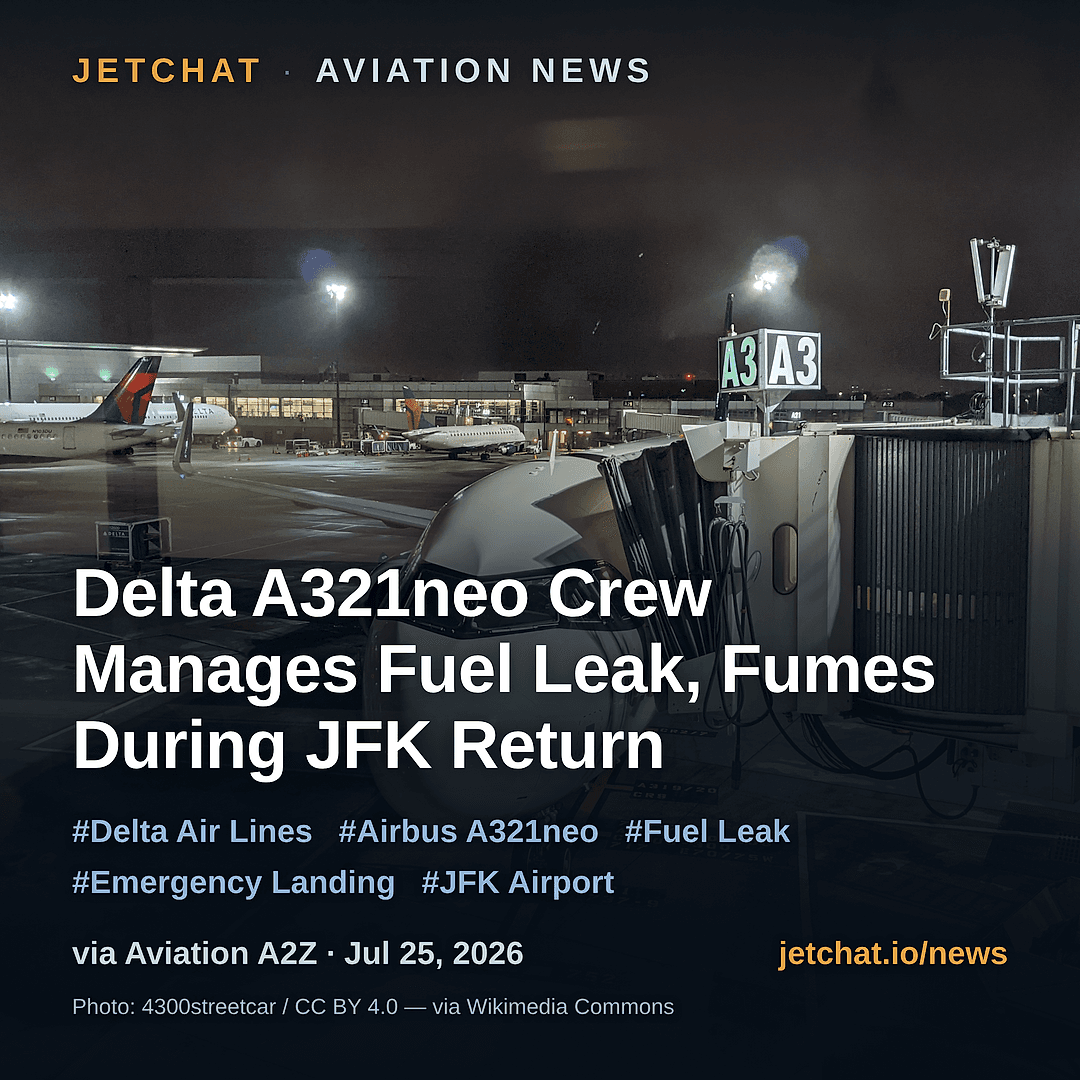
Photo: 4300streetcar / CC BY 4.0 — via Wikimedia Commons (CC BY 4.0) · source
A Delta Air Lines Airbus A321neo bound for San Juan made an emergency return to New York's JFK airport after the flight crew detected a fuel leak and cockpit fumes. Capping their climb at 23,000 feet, the pilots donned oxygen masks and coordinated an overweight landing on Runway 31L without the use of thrust reversers. The aircraft safely vacated the runway where emergency crews inspected it for fire and overheating brakes. This incident highlights the critical importance of crew resource management when compounding failures escalate approach workloads.
Read the full take
For professional pilots and students alike, Delta Flight 1859 serves as a textbook example of managing cascading abnormal situations. What began as an unisolated fuel leak rapidly evolved into a multi-layered emergency requiring precise crew resource management and rapid decision-making. The sequence of events highlights several critical operational considerations. First, the introduction of cockpit fumes necessitated immediate oxygen mask deployment, instantly complicating flight deck communication while task saturation was already high. Though the exact source of the odor remains under investigation, fuel leaks can occasionally introduce vapors into the bleed air system or air conditioning packs, underscoring why crews must respond decisively to any environmental contamination. Perhaps the most significant takeaway is the crew's foresight during the approach phase. By opting to land overweight, the pilots accepted higher kinetic energy upon touchdown. However, they intentionally elected not to deploy thrust reversers. This is a crucial procedural nuance: engaging reverse thrust with an active, unisolated fuel leak risks atomizing raw fuel and blowing it directly over superheated engine cowlings or red-hot carbon brakes, creating an extreme fire hazard. Relying entirely on wheel braking for an overweight A321neo inevitably leads to soaring brake temperatures. The Delta crew proactively briefed air traffic control about the anticipated hot brakes, ensuring Aircraft Rescue and Fire Fighting (ARFF) teams were strategically positioned and ready to intervene. Safely clearing the runway and immediately transitioning to the tactical ARFF frequency allowed first responders to verify the aircraft's fire integrity from the outside. Ultimately, the successful outcome was built on strict adherence to emergency checklists, seamless ATC coordination, and deep systems knowledge.