SWISS Cabin Crew Grounds Intoxicated A220 Pilots on Layover
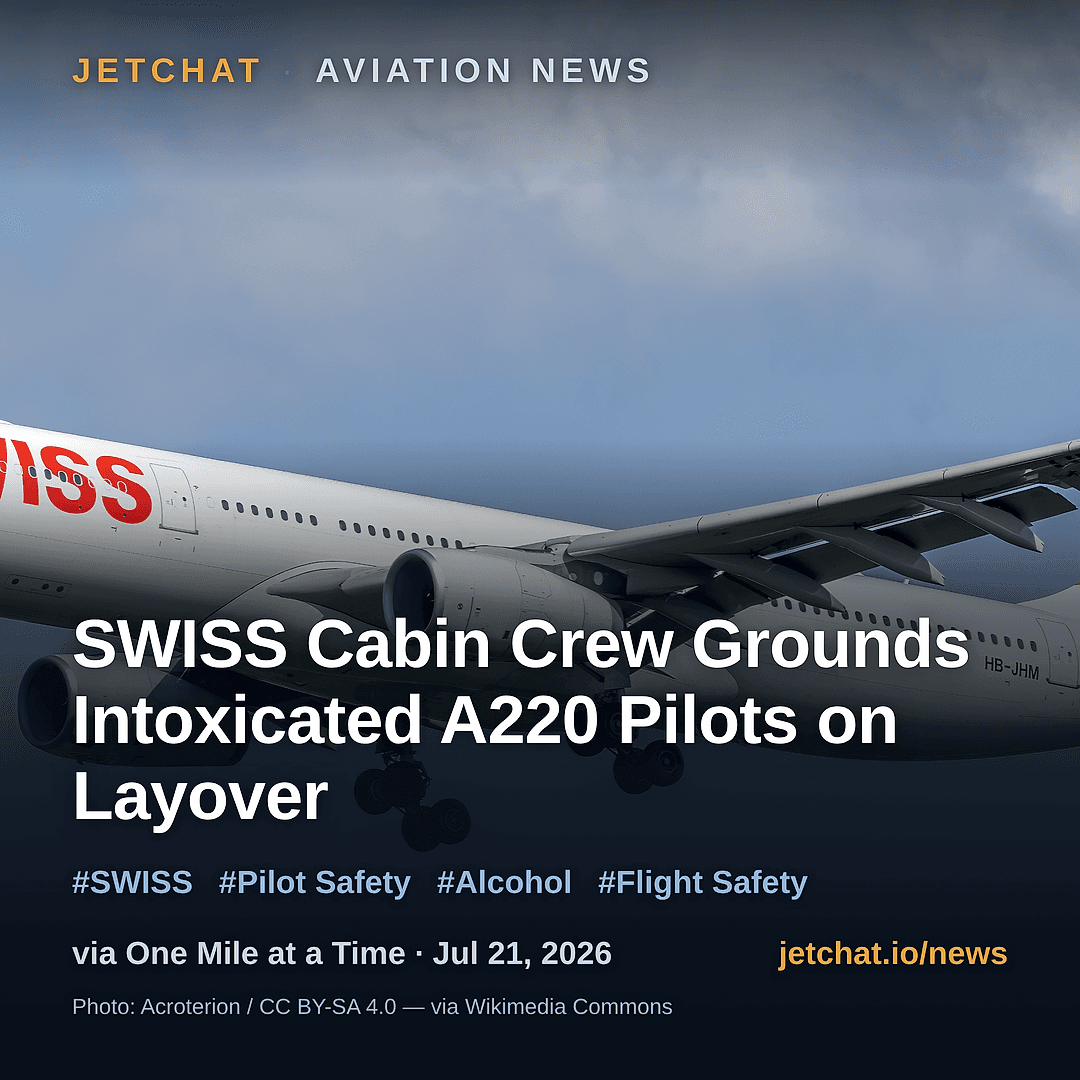
Photo: Acroterion / CC BY-SA 4.0 — via Wikimedia Commons (CC BY-SA 4.0) · source
Two SWISS Airbus A220 pilots were removed from duty in Geneva after flight attendants reported them for excessive alcohol consumption during a layover. Instead of calling out unfit to fly, the flight deck crew attempted to report for their morning shift despite violating regulations regarding alcohol consumption and timeframe limits. The airline immediately suspended both pilots pending a full investigation. For professional aviators, this incident underscores the critical importance of a robust Safety Management System where crew members feel empowered to intervene without fear of reprisal.
Read the full take
Aviation safety relies heavily on a functioning Safety Management System, and this recent SWISS incident serves as a textbook example of Crew Resource Management extending beyond the flight deck doors. Historically, the aviation industry has struggled with a culture of silence where crew members might cover for a colleague's indiscretions to protect their career. When both pilots on a rostered flight violate bottle-to-throttle rules together, the built-in redundancy of having a sober pilot to intervene evaporates. In this case, the cabin crew effectively became the last line of defense before the pilots reached the airport. The carrier's reaction highlights a modern approach to aviation safety culture. Rather than downplaying the event, the airline publicly validated the flight attendants' actions, emphasizing that their safety mechanisms performed exactly as designed. Identifying and mitigating a threat at the hotel level prevents a far more dangerous and legally complex situation at the terminal or in the cockpit. For aspiring airline pilots and current professionals, this serves as a stark reminder of the strict physiological requirements of airline operations. Alcohol metabolism rates vary, and attempting to sleep off heavy consumption before a morning show time is a career-ending gamble. Furthermore, it reinforces that every member of the crew shares equal responsibility in the safety decision when human factors are compromised. Moving forward, the industry will likely see this event used in recurrent training to encourage cross-departmental reporting and break down any lingering barriers between the cabin and the flight deck.