JetChat Newsjetchat.io ↗

Topic

#Boeing 737 MAX

← All briefs
safety

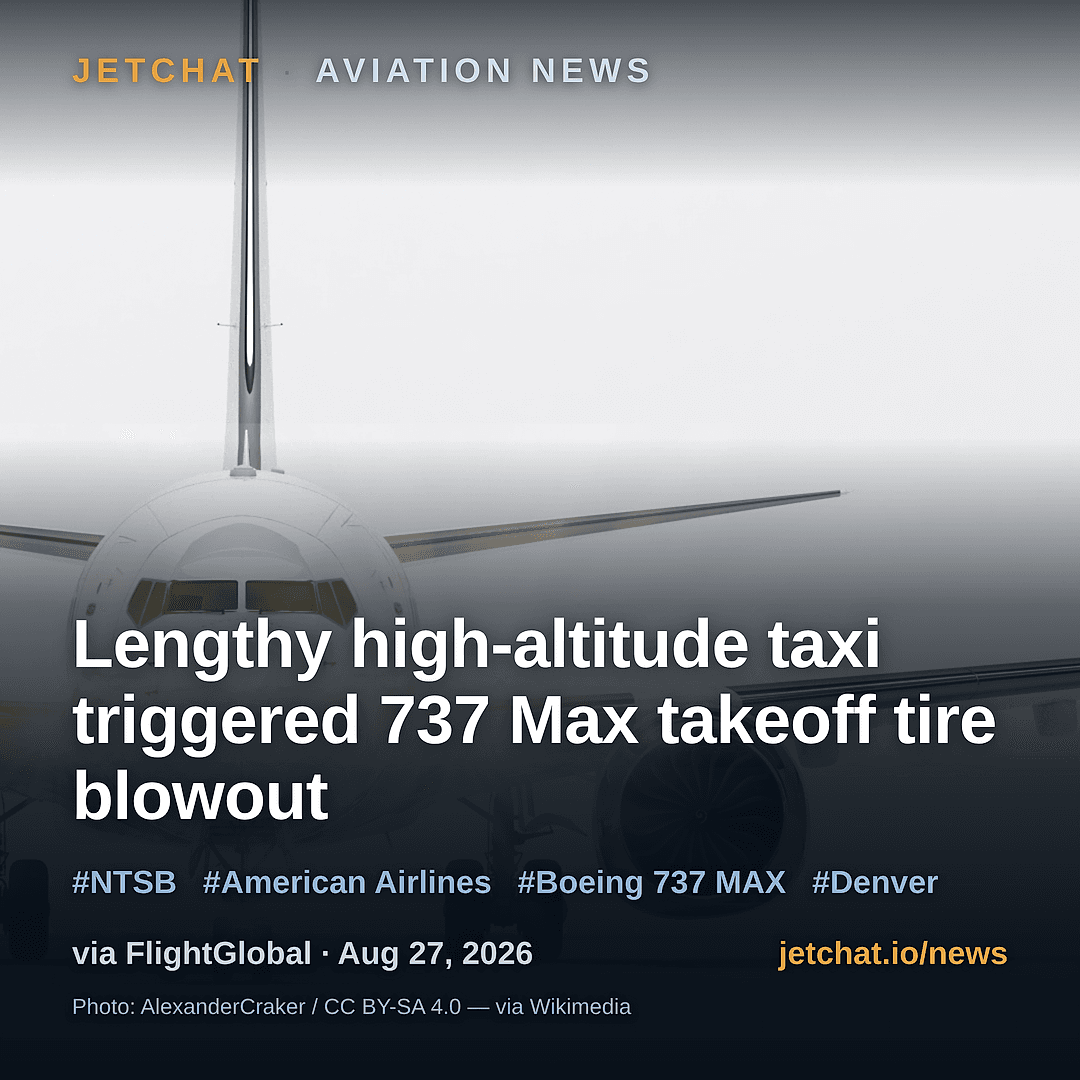
Lengthy high-altitude taxi triggered 737 Max takeoff tire blowout

An American Airlines Boeing 737 Max 8 suffered a dual tire blowout during its takeoff roll in Denver last July after a six-nautical-mile taxi on a hot summer day. The National Transportation Safety Board determined that the extended taxi time, combined with high ambient temperatures, a heavy aircraft, and multiple runway changes due to shifting winds, caused the main gear thermal relief plugs to melt. The subsequent high-speed abort and evacuation underscore the real-world impact of brake energy accumulation during prolonged ground operations.
industry

Boeing Could Require Second 737 North Production Line By 2028

Recent industry analysis indicates that Boeing may need to open a second 737 assembly line at its northern facilities as early as 2028 to keep up with surging demand. Prior to the protracted 2019 fleet grounding, the manufacturer had been strategizing significant manufacturing expansions, which are now becoming critical again as order backlogs swell. For aspiring airline pilots, sustained increases in narrowbody production signal long-term stability in commercial fleet growth, ensuring robust hiring and accelerated upgrade opportunities at major carriers.

industry

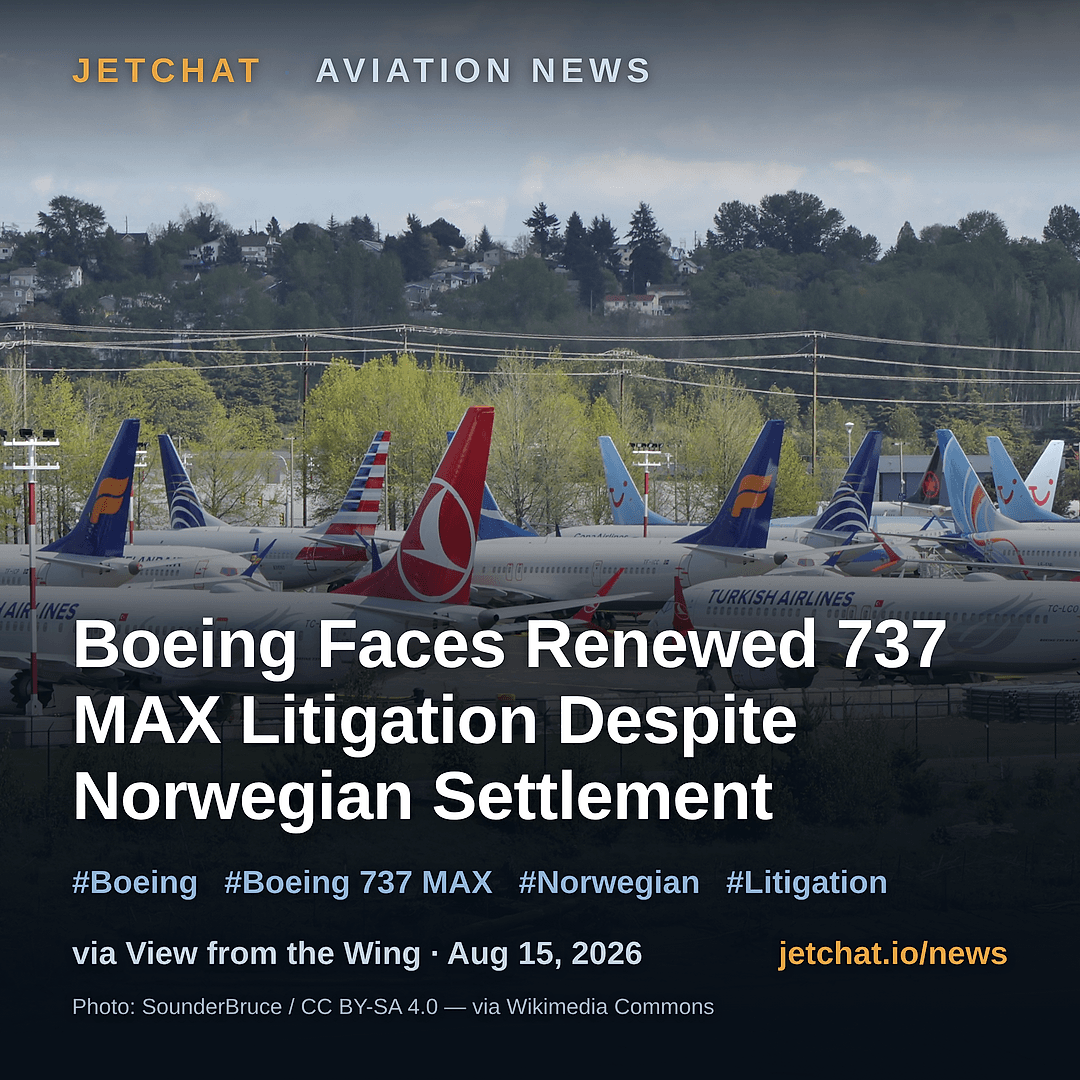
Boeing Faces Renewed 737 MAX Litigation Despite Norwegian Settlement

Boeing previously distributed roughly $212 million to resolve a legal conflict with Norwegian Air regarding the 737 MAX grounding, a deal that included the airline purchasing additional airframes. However, separate holding companies that actually own the affected jets claim they were excluded from that original agreement and are now pursuing their own litigation. This development signals that the manufacturer is still battling the long-term legal fallout of the MAX crisis, which continues to influence aircraft delivery schedules and corporate financial stability across the aviation industry.

finance

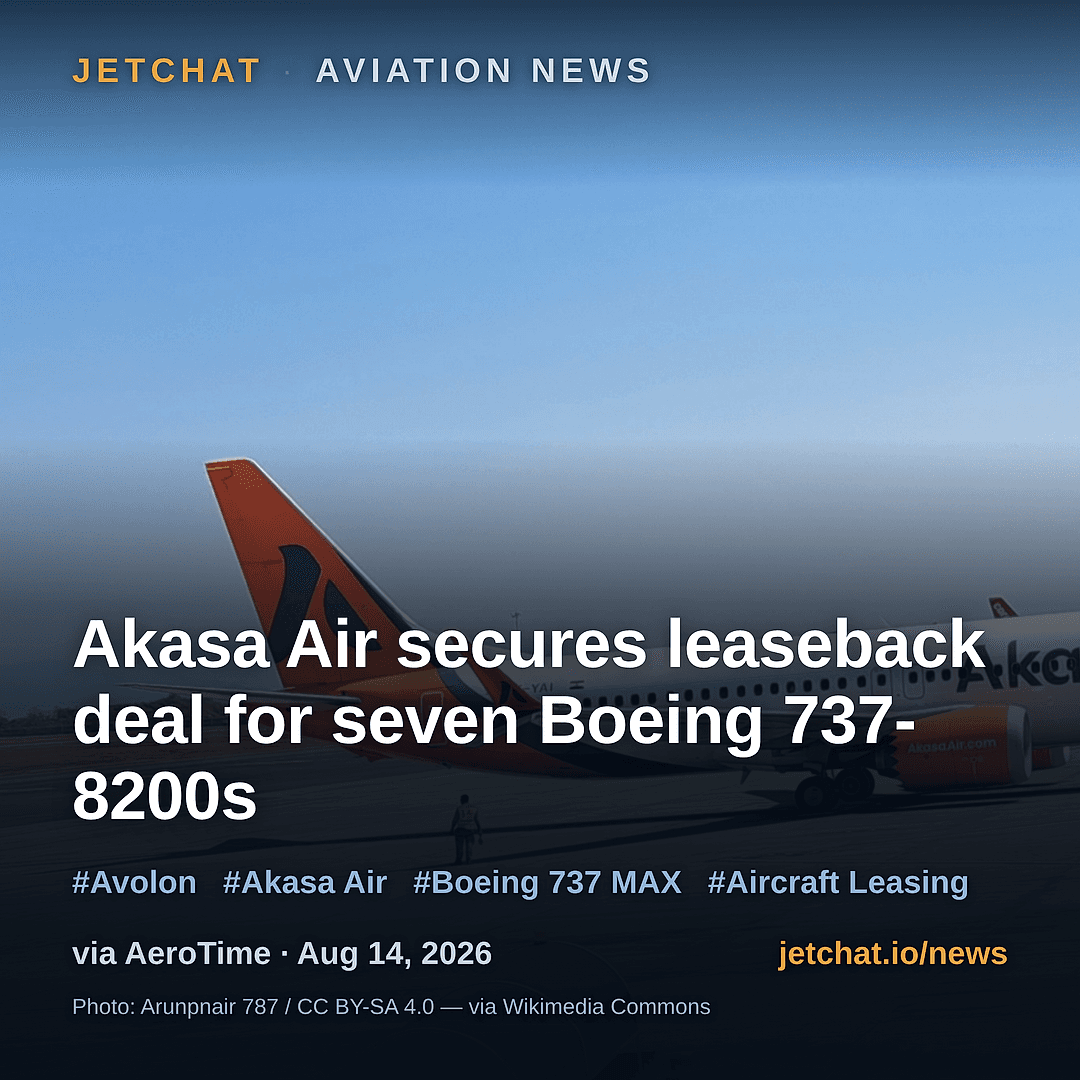
Akasa Air secures leaseback deal for seven Boeing 737-8200s

India's third-largest airline, Akasa Air, has secured a sale and leaseback agreement with leasing firm Avolon for up to seven Boeing 737-8200s. By selling the high-density MAX 8 airframes from its order book and immediately leasing them back, the carrier frees up operational capital without reducing fleet capacity. Akasa configures these aircraft with 197 seats to capitalize on low-cost domestic demand. For commercial aviators eyeing the booming Indian market, this financial strategy highlights the region's aggressive fleet expansion and the ongoing demand for qualified 737 MAX flight crews.

safety

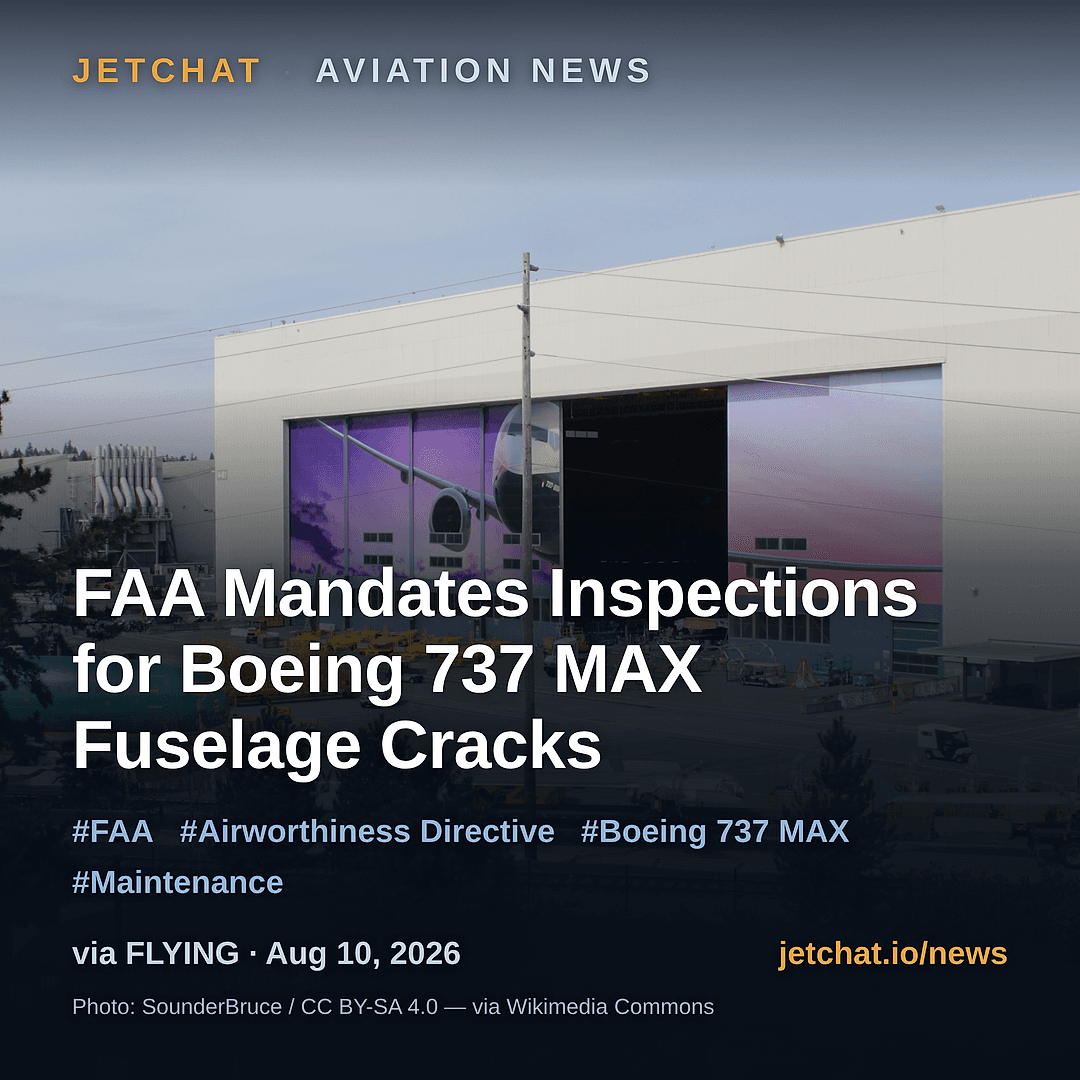
FAA Mandates Inspections for Boeing 737 MAX Fuselage Cracks

The Federal Aviation Administration has issued a new airworthiness directive targeting specific Boeing 737 MAX models after discovering structural cracks near the forward galley doors. Effective September 10, the mandate requires operators of 737-8, 737-9, and 737-8200 variants to inspect the fuselage skin and underlying reinforcement plates for existing damage and perform necessary repairs. Approximately 471 aircraft are subject to this order. For professional crews, this highlights the ongoing regulatory scrutiny of the MAX airframe and emphasizes the importance of thorough preflight exterior inspections around critical door structures.

safety

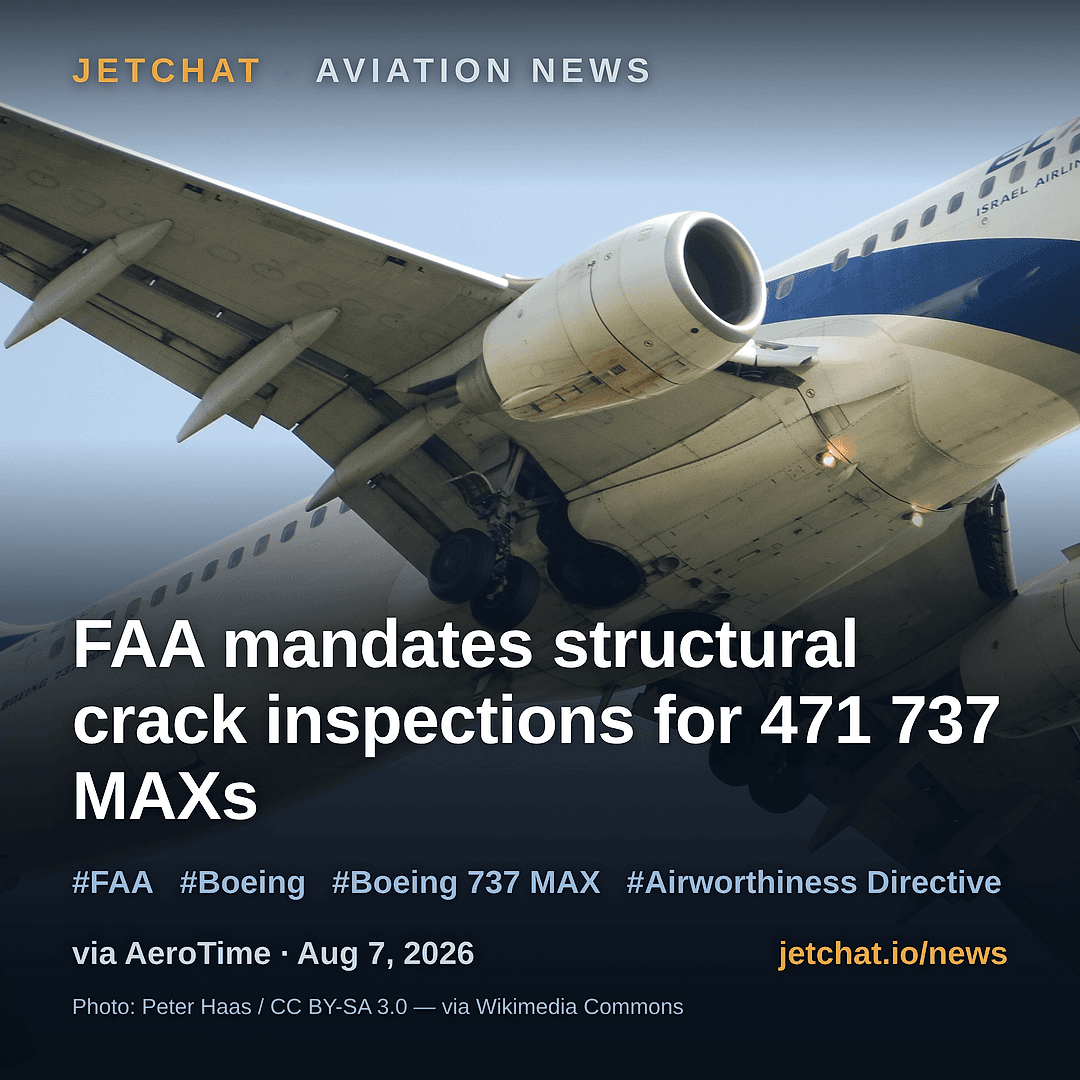
FAA mandates structural crack inspections for 471 737 MAXs

The Federal Aviation Administration has issued an airworthiness directive requiring operators to inspect 471 Boeing 737 MAX aircraft for potential structural cracking. Effective September 2026, the mandate targets the fuselage skin and bear strap near the forward galley door, addressing a vulnerability that could compromise the airframe under limit loads. For future and current airline crews, tracking fleet-wide airworthiness directives is a practical lesson in how regulatory oversight directly influences dispatch reliability and everyday line operations.

safety

FAA mandates 737 MAX door checks, 787 engine cowl updates

The FAA has issued new regulatory directives targeting Boeing aircraft, mandating structural checks on the 737 MAX and proposing engine cowl updates for certain 787 Dreamliners. Operators must examine forward right-side doorframe components on the MAX for potential stress fracturing, a known issue on older 737 variants. Additionally, a proposed rule addresses a vulnerability where an uncontained left-engine failure could critically damage the right-side Rolls-Royce Trent 1000. For commercial crews, these directives highlight the ongoing operational scrutiny of legacy design inheritance and cross-engine debris risks.