JetChat Newsjetchat.io ↗

Topic

#Airbus

← All briefs
industry

Delta Opts Out of Airbus A321XLR Long-Haul Narrowbody Trend

While numerous carriers are adopting single-aisle aircraft to execute long-distance routes, Delta Air Lines is holding off on the Airbus A321XLR. The latest extended-range jet offers operators the flexibility to link secondary markets across the Atlantic without the economic risks associated with larger airframes. Despite these advantages, the Atlanta-based carrier appears satisfied with its current widebody approach for intercontinental travel. For pilots tracking future hiring trends, this strategic split highlights how different legacy airlines plan to structure their transatlantic fleets and command upgrade paths.


airlines

Air Cairo places first direct order for 15 A320neos

Egyptian airline Air Cairo has placed a firm order for 15 Airbus A320neos, marking the carrier's first direct purchase of the narrowbody jet. The new airplanes will be equipped with CFM International Leap-1A engines, supplementing a current fleet of around 45 aircraft that includes older A320s, regional jets, and turboprops. Company officials plan to operate over 130 aircraft by the middle of the next decade. For aspiring airline pilots, this rapid expansion signals a strong future hiring market in the North African and Middle Eastern sectors.

industry

Airbus Prepares for 1,200 Aircraft Deliveries to Indian Airlines

Airbus is gearing up to fulfill a massive backlog of 1,200 commercial aircraft for Indian operators over the next decade. To meet this demand, the European aerospace company will deliver an average of two jets per week to the rapidly expanding South Asian market. The manufacturer is also investing heavily in local maintenance infrastructure to support this fleet growth. For aspiring airline pilots, India's unprecedented fleet expansion signals a massive global shift in hiring demand and long-term career opportunities in international markets.

industry

Airbus Secures Eight A350 Freighter Orders Before Maiden Flight

An unnamed buyer finalized a purchase of eight Airbus A350 freighters at the end of August, pushing the total backlog for the upcoming cargo jet to 115 airframes. The European aerospace manufacturer recently rolled out the primary test platform for the program and is currently prepping the heavy twin-engine aircraft for its inaugural departure. For career-minded aviators, this expanding widebody cargo backlog signals strong future hiring demand in the heavy international freight sector as legacy platforms face retirement.

industry

Airbus delivers 57 aircraft in August trailing annual production targets

The European aerospace giant handed over 57 new jets to 31 different operators during August, marking a nine percent increase in monthly production output. Despite the upward trend and securing 67 new gross orders during the same period, the manufacturer has only reached 475 total shipments for the current year. This current pace leaves the company lagging behind its aggressive goal of producing 870 airframes. For aspiring airline pilots, these ongoing supply chain constraints directly impact fleet growth and the timing of future hiring waves at major carriers.

industry

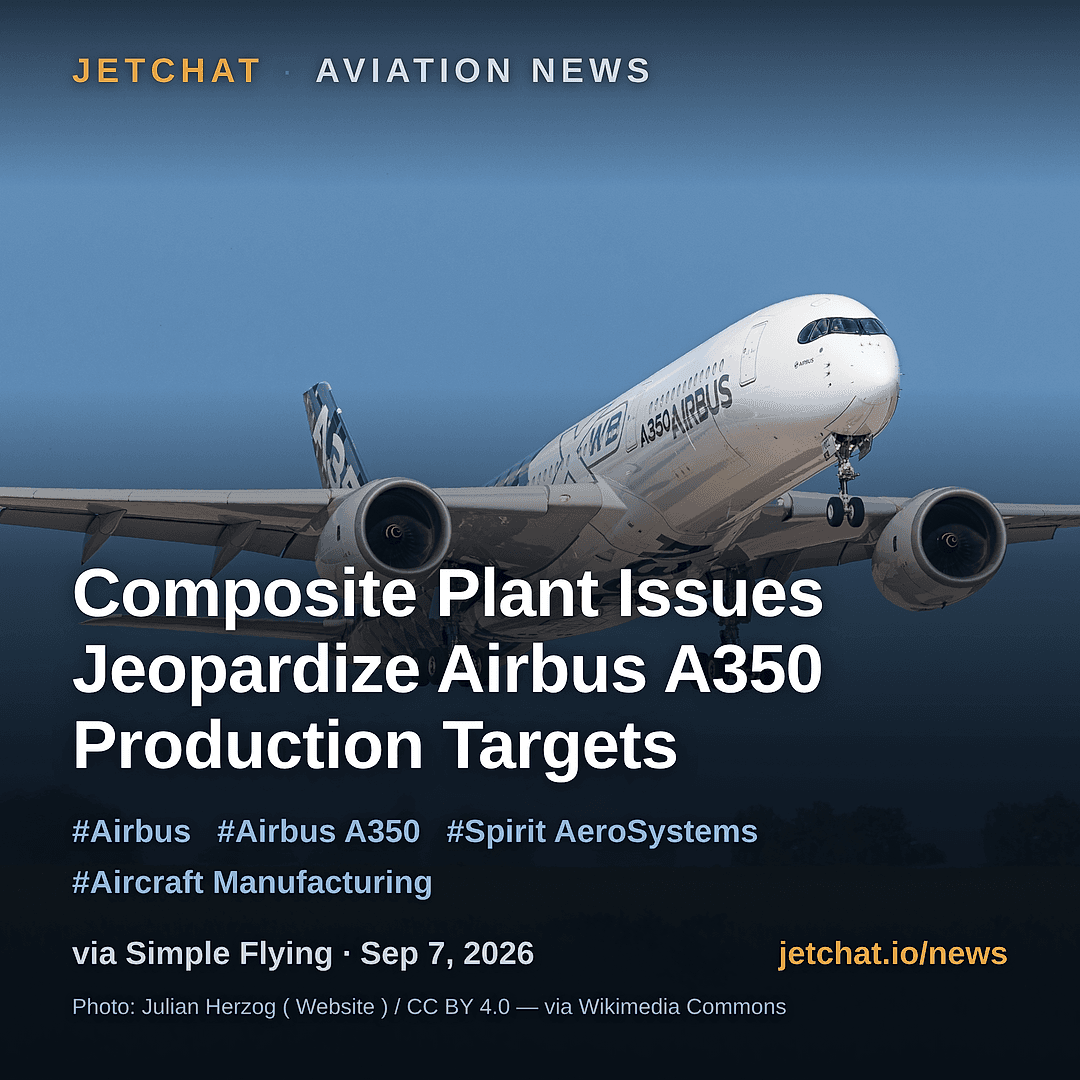
Composite Plant Issues Jeopardize Airbus A350 Production Targets

Airbus is struggling to meet its ambitious manufacturing goal of rolling out twelve A350 widebodies a month by 2028. The aerospace giant recently warned airlines to anticipate delivery setbacks stretching well into the late 2020s. These bottlenecks stem from a newly acquired composite structure factory in North Carolina, where manufacturing hiccups are creating cascading slowdowns down the assembly line. For aspiring airline pilots, deferred widebody deliveries could translate to a slower pace of heavy jet transitions and captain upgrades at major international carriers.

industry

Airbus A330neo Summer Deliveries Stall Due To Tail Inspections

Airbus temporarily halted deliveries of its A330neo widebody aircraft this summer after a tool was discovered inside the horizontal stabilizer of a completed jet. The finding prompted mandatory inspections across the production line, resulting in zero handovers during June and July and only a single delivery in August. While Airbus has identified the root cause and resumed deliveries of the twin-aisle aircraft, the disruption highlights the cascading effects of minor production floor errors. For airline pilots, manufacturing delays directly influence fleet planning and widebody upgrade timelines.

ga training

Airbus partners with ANA for ab-initio cadet pilot training

All Nippon Airways has tapped Airbus to conduct its ab-initio flight training program for a new wave of airline cadets. Starting later this year, an initial group of nineteen student pilots with no previous flight experience will head to Portugal's Sevenair Academy to learn under a unified, competency-based Airbus curriculum. This direct-to-airline pathway highlights a growing industry push to standardize zero-time instruction, ensuring a steady pipeline of well-prepared first officers for the flight deck.

industry

Veteran Analyst Examines Concerning Production Trends At Airbus

Scott Hamilton, a veteran aviation analyst, has published his final regular column for Leeham News and Analysis before stepping down following the publication's acquisition by AIN Media Group. In his departing commentary, Hamilton outlines what he describes as concerning operational and production trends currently developing at Airbus. For commercial pilots and industry watchers, these manufacturer shifts could signal future changes in aircraft availability and delivery timelines across major airlines.

industry

Boeing overtakes Airbus to dominate the widebody aircraft market

During the initial production struggles of the 787 Dreamliner over a decade ago, European manufacturer Airbus enjoyed a significant lead in twin-aisle aircraft orders. However, the market dynamics have shifted dramatically in recent years, leaving Airbus trailing as a distant second in the heavy jet sector. Boeing has steadily reclaimed its dominance in long-haul aircraft deliveries and new orders. For aspiring airline pilots charting their career paths, this shifting landscape highlights which manufacturer's flight decks they are most likely to occupy on future international routes.

industry

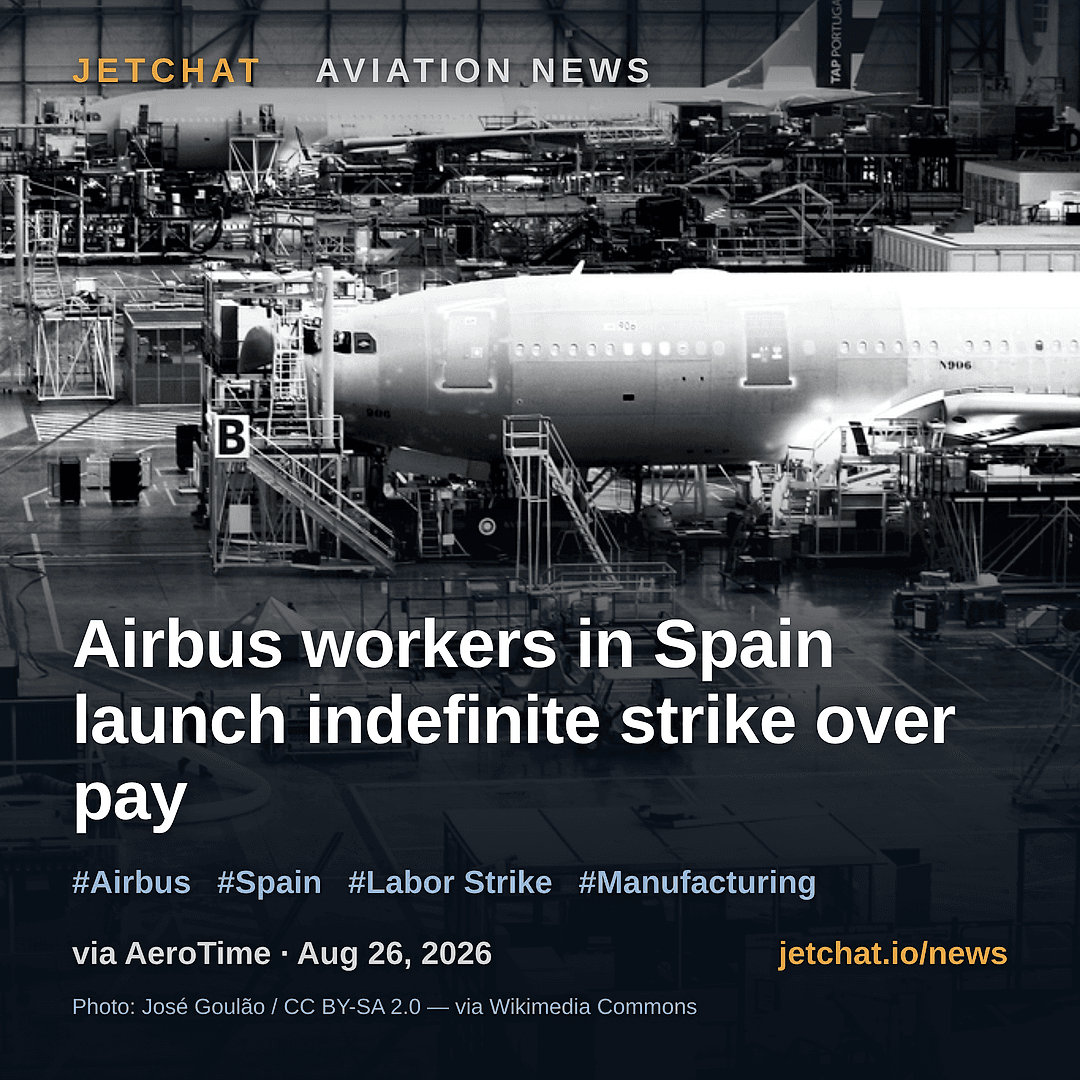
Airbus workers in Spain launch indefinite strike over pay

Thousands of Airbus employees across Spain have initiated an indefinite strike following failed negotiations over wages and workplace policies. The walkout, which began on August 25, 2026, impacts major manufacturing sites responsible for critical structural components across the manufacturer's commercial, defense, and space divisions. While management proposed inflation-adjusted pay bumps, union members voted to continue the stoppage pending further mediation. For the aviation community, this labor dispute threatens to exacerbate existing supply chain bottlenecks and further delay new aircraft deliveries.

finance

Saudia Partners With French Bank to Finance New Airbus Jets

The flag carrier of Saudi Arabia has established a memorandum of understanding with Crédit Agricole CIB and the Saudi Export-Import Bank to help fund its upcoming Airbus deliveries. Under the tripartite agreement, the French financial institution will structure the capital needed for the airline's fleet modernization, while the Saudi agency provides credit risk insurance. The airline currently has numerous narrowbody aircraft on backlog, including dozens of A321neos and A321XLRs. This influx of modern jets highlights the region's aggressive commercial aviation expansion, pointing to long-term career opportunities for airline pilots.

industry

Airbus Halts Strict Return-to-Office Mandate Following Employee Strikes

European aerospace manufacturer Airbus has reversed course on a strict return-to-office mandate following recent employee strikes. Management originally intended to cap remote work at just one day per week starting this September, reducing the current two-day allowance. However, pushback from the workforce forced executives to maintain the existing flexible arrangement. While flight crews cannot work from home, this corporate labor dispute highlights the broader industry challenges in retaining top aerospace engineering and management talent in a highly competitive post-pandemic market.

industry

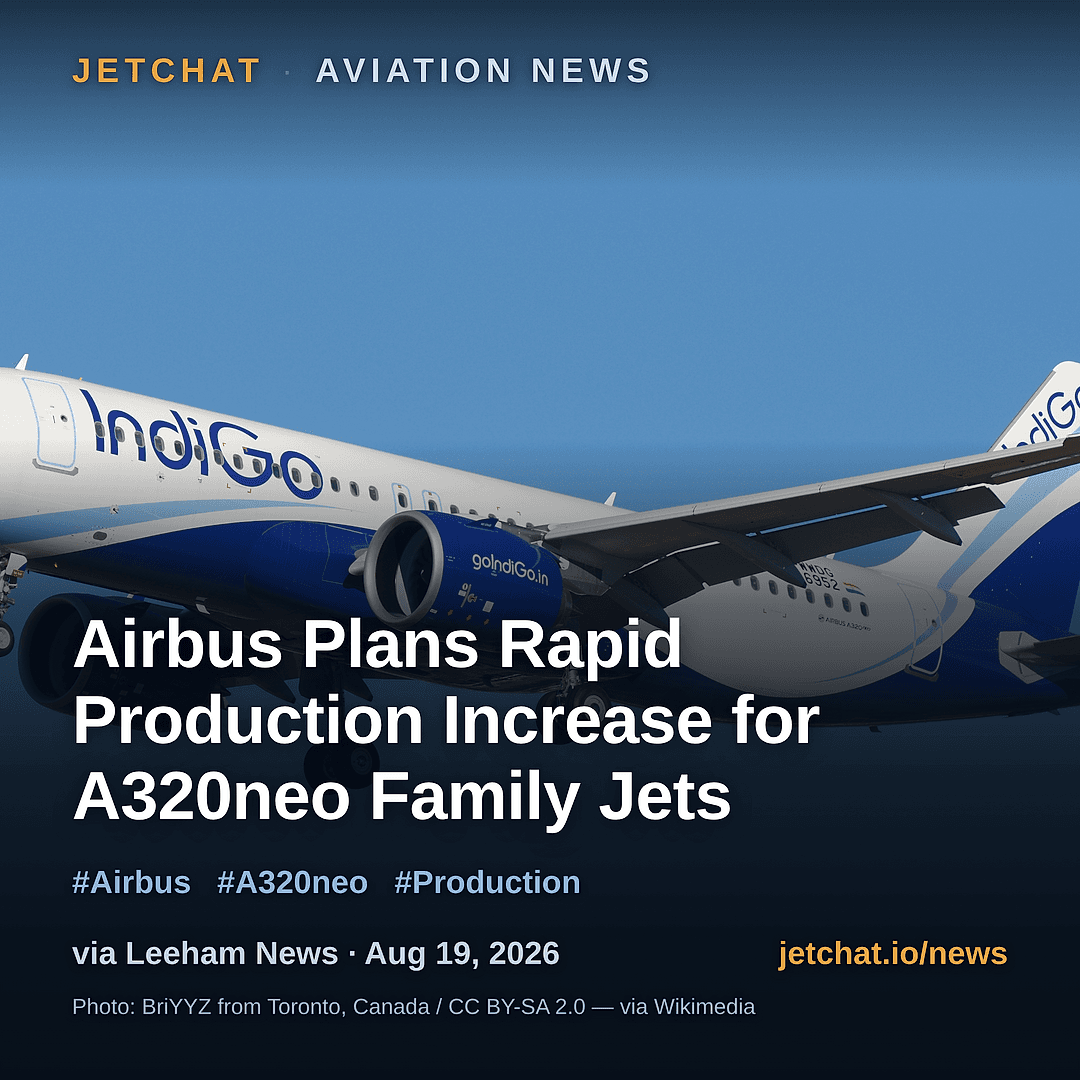
Airbus Plans Rapid Production Increase for A320neo Family Jets

Airbus is actively working to accelerate its manufacturing pace for the A320neo family, targeting a production rate of seventy-five aircraft per month. The push comes in response to an extensive backlog, as the aerospace company has entirely sold out of available delivery slots at its current capacity. For aspiring airline pilots, this aggressive manufacturing ramp-up signals sustained long-term demand for narrowbody flight crews across major global carriers.

industry

Airbus Expands Belfast Wing Plant To Double A220 Production

The European aerospace manufacturer is adding nearly 70,000 square feet to its wing fabrication plant in Northern Ireland to support a massive ramp-up of its narrowbody aircraft assembly. Construction is currently underway, with the expanded footprint expected to become fully operational during the first half of 2028. Once complete, the upgraded site will allow the company to output thirteen of the single-aisle jets every month. For aspiring airline aviators, this manufacturing acceleration means a steady pipeline of modern cockpits requiring trained flight crews in the coming decade.

industry

A350 Production Surges Faster Than Airlines Can Accept Deliveries

Despite surging global demand for widebody jets, Airbus is currently manufacturing its A350 aircraft at a quicker pace than commercial carriers can actually integrate them into their fleets. The primary bottlenecks are a severe lack of open delivery slots and persistent delays in finishing interior cabin installations. For aspiring airline pilots, this unusual production backlog highlights ongoing supply chain complexities that could ultimately dictate the pace of future heavy jet hiring and upgrade timelines at major international carriers.

industry

Boeing Aircraft Deliveries Slow in July, Falling Behind Airbus

Boeing handed over 53 commercial aircraft to customers in July 2026, marking a slowdown from its stronger output in May and June. The dip widens the manufacturer's gap with European competitor Airbus, which delivered 67 airframes during the same month. Despite the monthly drop, Boeing's year-to-date total of 367 deliveries outpaces its performance over the same period last year, tracking closely with industry recovery trends. For aspiring airline pilots, consistent widebody and narrowbody production remains a leading indicator of future hiring waves at major carriers.

industry

Proposed Airbus A220-500 stretch could challenge the A320neo

The European manufacturer is exploring a stretched, 180-seat version of its popular A220 narrowbody. Dubbed the A220-500, this proposed variant aims to maximize efficiency but could end up cannibalizing sales of the company's own best-selling A320neo family. While the A320 series has been a massive revenue driver for decades, airline demand for lighter, next-generation composite aircraft continues to grow. For aspiring airline pilots, this potential shift in fleet composition signals that A220 type ratings might become just as valuable as the ubiquitous A320 certification.

industry

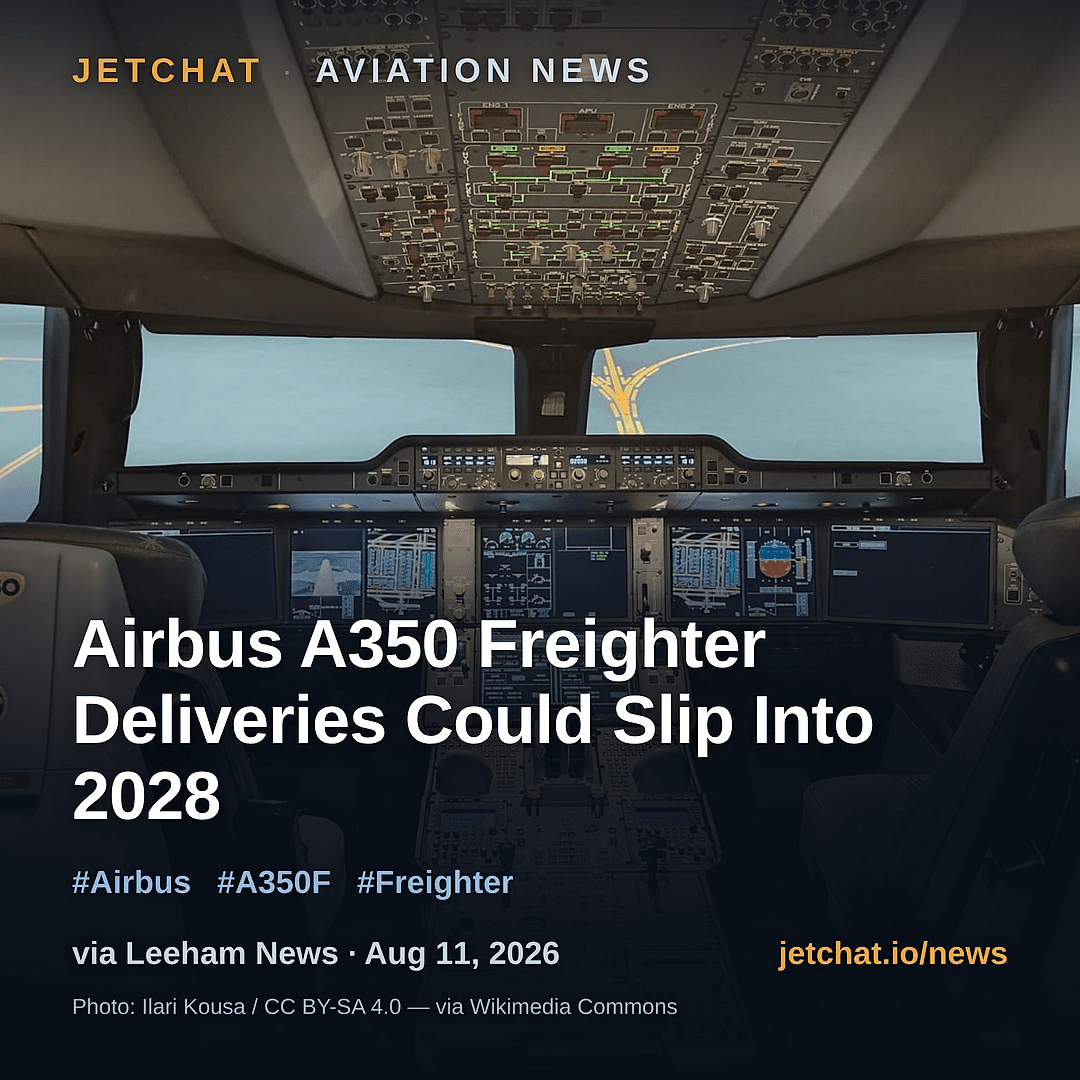
Airbus A350 Freighter Deliveries Could Slip Into 2028

Industry reports indicate that the highly anticipated Airbus A350 freighter might not reach its launch customers until 2028, despite the manufacturer maintaining its official late-2027 target. Supply chain bottlenecks and certification hurdles continue to challenge major airframe programs across the globe. For aspiring airline pilots eyeing heavy cargo operations, these timeline shifts mean the eventual wave of hiring and transition training for next-generation freighters may be pushed slightly further onto the horizon.

industry

Manufacturers Struggle to Meet Soaring Widebody Aircraft Demand

As the aviation industry continues to rebound from the pandemic, airlines are facing a severe shortage of twin-aisle aircraft. While manufacturers are generally maintaining production rates for narrowbody jets despite engine supply chain issues, they are struggling to keep pace with the surging global demand for larger airliners. This growing gap between heavy jet requirements and factory output could slow international route expansion, which matters to aspiring airline pilots who are building time toward long-haul career opportunities.